Food
Carnivore
Yellow jackets eat insects, nectar and fruit.
Meat eaterYellow jackets are wasps with yellow and black stripes. They build paper nests by chewing up bits of wood. Here are easy yellow jacket facts for kids: what yellow jackets eat, how big they grow, what a baby yellow jacket is called and where yellow jackets live. Read them out loud, try the quiz, then color the letter Y.
Two more true facts about the yellow jacket that kids love. Tap the button to hear the name, then read each fact together.
Yellow Jacket starts with the letter Y. Clap once for each part of the word as you say it.
Yellow jackets build paper nests.
Unlike honeybees, they can sting many times.
Everything a curious kid wants to know about the yellow jacket, in eight short cards.
Yellow jackets eat insects, nectar and fruit.
Meat eaterA yellow jacket is about 1 to 1.6 cm long.
Body sizeYellow jackets live for weeks for workers, up to a year for queens.
LifespanA baby yellow jacket is called a larva.
Baby nameA group of yellow jackets is called a nest.
Group nameYellow jackets are found in Northern Hemisphere.
Where they liveYellow jackets are wasps with yellow and black stripes. They build paper nests by chewing up bits of wood.
Yellow Jacket is an insectYellow Jacket has 12 letters and starts with Y.
Say: Yellow JacketA tiny game to check what stuck. Read the question out loud and let your little one tap the answer.
Done reading about the yellow jacket? Print the free letter Y sheet, say “Y is for yellow jacket” together and color the big letters. Great for circle time, morning work or a quiet afternoon at home.
Yellow jackets eat insects, nectar and fruit. That makes the yellow jacket a carnivore, which means it is a meat eater.
A yellow jacket is about 1 to 1.6 cm long.
Yellow jackets live for weeks for workers, up to a year for queens.
A baby yellow jacket is called a larva.
A group of yellow jackets is called a nest.
Yellow jackets live in Northern Hemisphere. Their favorite habitat is: gardens.
Yes. The yellow jacket is an insect. Yellow jackets are wasps with yellow and black stripes. They build paper nests by chewing up bits of wood.
Yellow Jacket starts with the letter Y. Say it slowly and listen for the Y sound at the start.
Other Y animals and more insects to read about next.
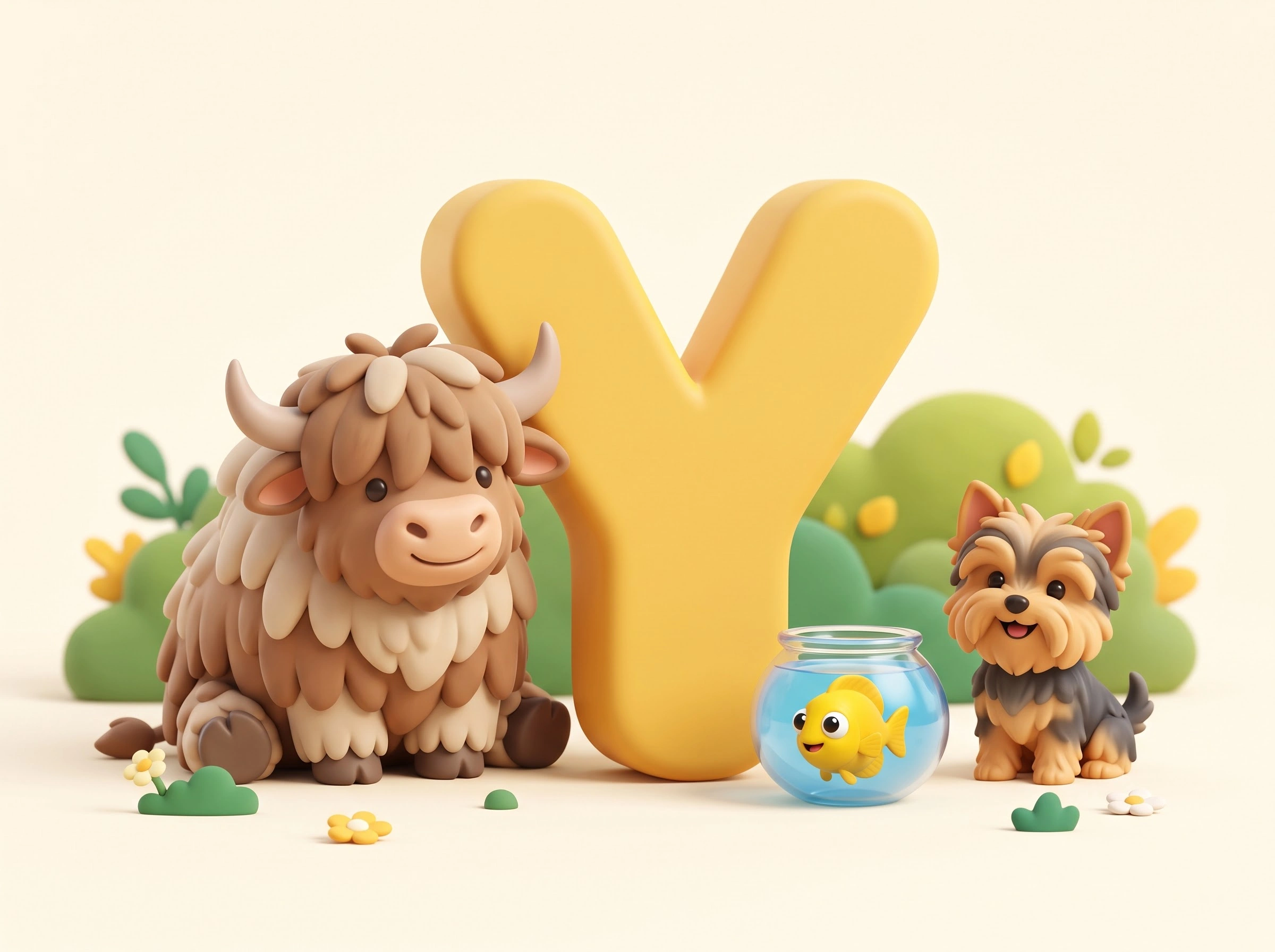
Yaks live high in the cold mountains of Asia, like the Himalayas. Their long, shaggy hair hangs down almost to the ground like a skirt.
Lives in: Mountains Read yak factsYellow tangs are bright yellow fish that live on coral reefs, mostly around Hawaii. They nibble on algae, which helps keep the reef clean.
Lives in: Coral reefs Read yellow tang factsGrasshoppers have strong back legs for big jumps. Some of them make music by rubbing their legs on their wings.
Lives in: Grasslands Read grasshopper factsA praying mantis holds its front legs together like it is praying. It can turn its head to look over its shoulder.
Lives in: Gardens Read praying mantis facts